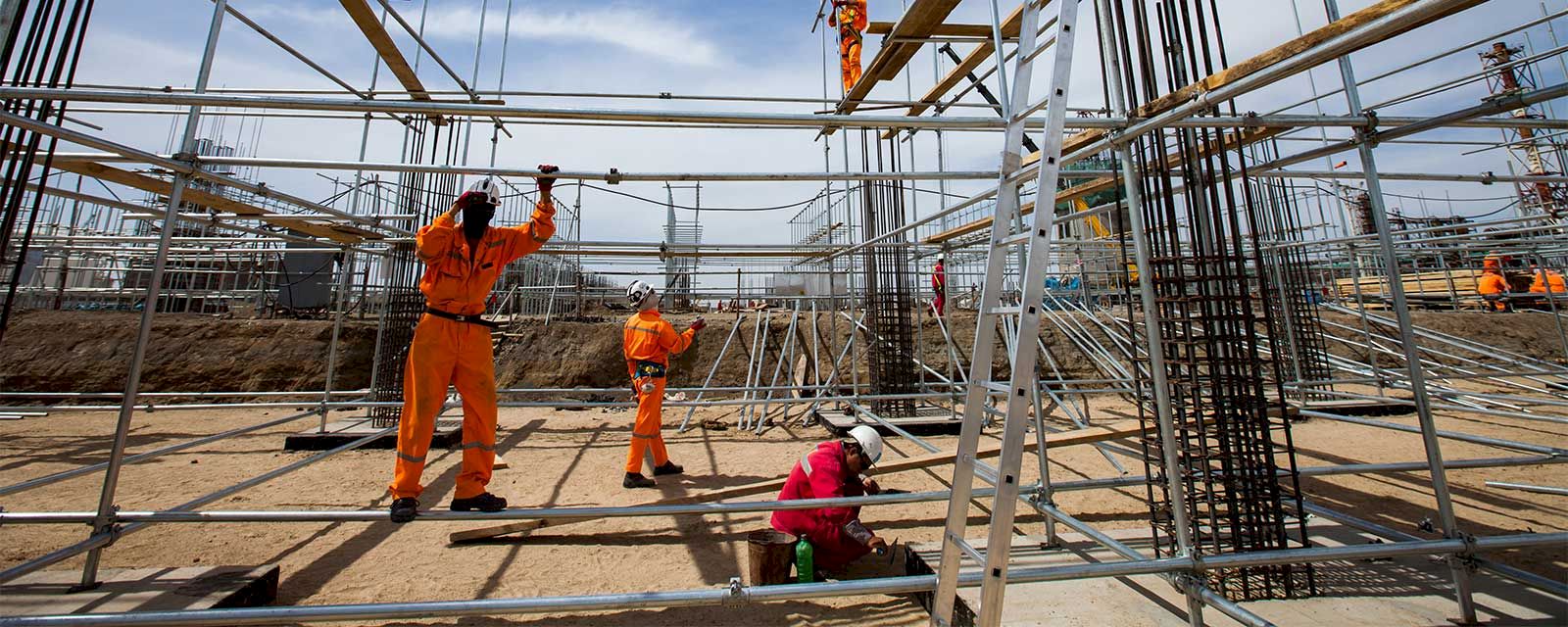
The Swiss construction sector shows signs of recovery in 2026. After a period marked by investor caution, rising costs, and sometimes irregular order books, the main construction sector is displaying a more favorable dynamic. In the first quarter of 2026, the branch's revenue increases by 5.6% to exceed 4.9 billion francs. This development confirms that the needs remain significant, particularly in housing, public projects, and energy renovation.
For independent tradespeople and small construction companies, this recovery represents an opportunity to seize. Increased activity means more requests, more projects to follow, and a greater need for professionals available on-site. Masons, roofers, carpenters, painters, tilers, heating engineers, electricians, facade specialists, or insulation experts can benefit from this dynamic, provided they effectively target promising segments and maintain their margins.
However, this recovery should not mask the risks. In a context of rising acquisition costs, materials, transport, or subcontracting, a poorly estimated construction site can quickly become less profitable. If the allocation for cost increases has been excluded by contract, the tradesperson may have to absorb part of the increases alone. To secure their workload and select projects suited to their activity, construction professionals can rely on tools like ArtiBox, which facilitates access to qualified construction sites in the Romandy region of Switzerland.
Why is the Swiss construction sector on the rise in 2026?
The recovery of the construction market in Switzerland can be explained by several factors. The demand for housing remains strong, public projects continue to fuel activity, and the needs for energy renovation are increasing. This combination creates a more favorable environment for construction companies.
A dynamic housing construction sector
Housing remains one of the main drivers of the recovery. Residential demand remains high in many Swiss regions, particularly in urban, suburban areas, and the Romandy cantons where real estate pressure remains strong. This situation encourages construction, transformation, and expansion projects.
For tradespeople, this dynamic can translate into more interventions on collective buildings, individual houses, extensions, renovations before sale, or restoring housing. The structural work, finishing work, and final touches trades can all be involved in this recovery.
Public projects that support activity
Public projects also play an important role. Schools, administrative buildings, community facilities, local infrastructure, energy renovations of public buildings, or maintenance work generate regular needs for construction companies.
These projects may interest tradespeople who work as subcontractors for main companies or who are involved in specific lots. Painting, flooring, carpentry, plumbing, heating, electricity, facades, or finishing work can be integrated into larger operations.
An energy renovation still a priority
Energy renovation remains another important driver of the market. Property owners are looking to reduce their consumption, improve thermal comfort, and enhance the value of their property. Cantonal support schemes for energy refurbishment reinforce this trend.
For tradespeople trained in energy issues, this demand represents a source of qualified construction sites. Insulation, windows, roofing, facades, ventilation, efficient heating, and comprehensive renovation are particularly sought-after services.
What are the implications for building tradespeople?
A recovery in the sector does not automatically mean higher profitability. Tradespeople must turn this increase in activity into managed opportunities. The challenge is to fill the schedule without accepting poorly estimated or overly risky construction sites.
More requests, but also more selectivity
When the market picks up, requests increase. Clients are looking for tradespeople who are available, responsive, and capable of intervening within reasonable timeframes. Well-organized companies can therefore capture more projects.
However, this increase in requests also necessitates making choices. Not all construction sites are interesting. A project that is too distant, poorly defined, insufficiently profitable, or subject to unrealistic deadlines can create more difficulties than benefits.
Increased pressure on organization
A more dynamic activity requires better organization. The tradesperson must manage appointments, quotes, material orders, schedules, teams, subcontractors, and delivery times. Without a method, the recovery can quickly generate stress and delays.
Companies that anticipate their actual capacities will be better positioned. It is preferable to accept fewer construction sites but to execute them correctly rather than to multiply impossible commitments.
A heightened need for commercial visibility
In an active market, clients quickly compare several professionals. The tradesperson must therefore be visible, clear in their offer, and responsive in their replies. A complete profile, photos of completed projects, up-to-date insurance, and well-structured quotes can make a difference.
This visibility is particularly important in French-speaking Switzerland, where requests can come from individuals, property management companies, architects, general contractors, or public and private clients.
Which segments will be the most promising in 2026?
The recovery of the Swiss construction sector is not limited to large projects. Independent tradespeople can position themselves in several dynamic segments, including housing, energy renovation, and maintenance of existing buildings.
Housing construction
Residential construction remains an important driver of the market. New housing, extensions, upward extensions, transformations, and renovations create demand for many building trades.
- Masonry and structural work
- Framework, roofing, and covering
- Exterior and interior carpentry
- Electricity, heating, and plumbing
- Insulation and facade
- Plastering, painting, and finishing
- Flooring and tiling
Energy renovation
Energy renovation is one of the most strategic segments. It meets the expectations of property owners, environmental goals, and cantonal aid programs. Tradespeople capable of offering efficient solutions can position themselves on higher value-added projects.
- Thermal insulation of roofs
- Facade insulation
- Window replacement
- Improvement of ventilation
- Replacement of heating systems
- Treatment of thermal bridges
- Comprehensive renovation with coordination of trades
Public and collective projects
Communities and public organizations continue to invest in their buildings and infrastructure. These projects can offer interesting workloads, often through main contractors seeking reliable tradespeople for specific lots.
- Renovation of schools or administrative buildings
- Maintenance work on public buildings
- Energy improvement of collective buildings
- Finishing work
- Technical interventions on heating, plumbing, or electricity
- Interior and exterior finishes
Maintenance and transformation of existing buildings
The Swiss real estate stock requires constant maintenance. Even when new construction progresses, renovation, repair, and modernization work remain essential. These sites can provide regular activity for independent tradespeople.
- Roof repair
- Facade renovation
- Restoration after damage
- Bathroom renovation
- Kitchen modernization
- Replacement of old carpentry
- Small masonry or renovation work
Why can rising costs reduce tradespeople's margins?
A recovery in activity may give the impression that the situation is automatically becoming more favorable. However, profitability remains fragile if prices are not properly controlled. Acquisition and execution costs can heavily impact margins.
Materials and services that can sometimes be more expensive
Materials, transport, supplies, equipment rentals, and external services can evolve rapidly. An unexpected increase can reduce the margin of a construction site if the quote was signed too early or if prices were locked without protection.
For tradespeople, it becomes essential to regularly monitor supplier prices, limit the validity period of quotes, and establish clear conditions in case of significant cost variations.
The risk related to the exclusion of the price adjustment allocation
The price adjustment allocation allows, in certain contractual cases, to adjust prices when costs increase. If it has been excluded by contract, the tradesperson may find themselves obliged to adhere to an initial price despite an increase in purchasing or subcontracting costs.
This situation can considerably decrease the margin, especially on long construction sites, projects with a lot of materials, or work dependent on external suppliers. Therefore, it is essential to read the contractual clauses carefully before signing.
Quotes that are too low weaken the business
In a dynamic market, some tradespeople may want to quickly accept numerous projects. However, a quote that is too low can become dangerous if actual costs exceed forecasts. Revenue growth is only beneficial if it is accompanied by a sufficient margin.
A tradesperson must therefore calculate their price accurately: materials, labor time, travel, insurance, contributions, administrative management, unforeseen expenses, and net margin.
How can tradespeople take advantage of this recovery without losing profitability?
The recovery of the Swiss construction sector creates opportunities, but it also requires working methodically. Tradespeople must select the right projects, secure their prices, and organize their schedules.
Choose construction sites suitable for their activity
Not all projects correspond to all businesses. A tradesperson should prioritize construction sites that are consistent with their skills, area of intervention, teams, and equipment.
A well-suited construction site allows for more efficient work, reduces unnecessary travel, and preserves the quality of execution. Conversely, a project that is too distant or too complex can disrupt the activity.
Update their quote templates
Quotes must be clear, detailed, and protected. They should specify the validity period, included services, exclusions, payment conditions, deadlines, and any conditions related to price changes.
- Limit the validity of the offer in time
- Detail materials and quantities
- Clearly specify exclusions
- Indicate payment conditions
- Specify start deadlines
- Check price adjustment clauses
- Formalize additional work in writing
Preserve cash flow
An increase in activity can create significant cash flow needs. The tradesperson must finance materials, travel, potential wages, and expenses before being paid. Poorly defined payment terms can weaken the business.
It is therefore recommended to plan for deposits, interim payments, and a balance upon completion of the work. These rules should be announced as early as the quote.
How can tradespeople in the French-speaking part of Switzerland take advantage of the context?
The French-speaking part of Switzerland offers a favorable environment for independent tradespeople. The demand for housing, renovation, maintenance, and energy improvement remains strong in several cantons.
Geneva and Vaud: markets with high demand
Geneva and Vaud concentrate a strong real estate activity. The needs concern both collective housing and individual houses, interior renovations, technical work, and restoration.
Tradespeople who can respond quickly, provide detailed quotes, and meet local standards can develop a regular business there.
Neuchâtel, Fribourg, Valais, and Jura: local opportunities
These cantons also offer interesting prospects. The needs may involve the renovation of existing buildings, maintenance of housing, energy work, roofing, facades, or interior fittings.
In these areas, proximity, trust, and the quality of the client relationship remain determining factors for obtaining regular construction sites.
Cross-border tradespeople facing a new dynamic
Cross-border professionals working in Switzerland can also benefit from this recovery, provided they comply with applicable rules: permits, insurance, taxation, VAT, social contributions, and working conditions according to the situation.
To differentiate themselves, they must present a clear offer, indicate their areas of intervention, and reassure clients about their ability to work within a compliant framework.
How to secure your workload with ArtiBox?
In a recovery context, tradespeople must capture the right requests without spending too much time on prospecting. ArtiBox helps construction professionals access opportunities tailored to their trade and area of intervention.
Easily find qualified construction sites
ArtiBox allows tradespeople to be visible to contractors looking for construction professionals. Instead of relying solely on word-of-mouth, the company can receive more targeted requests.
- Access to tailored construction site requests
- Time savings in prospecting
- Ability to target projects according to their trade
- Better visibility in the French-speaking part of Switzerland
- Development of a more regular flow of requests
Reduce downtime
Even in a dynamic market, a tradesperson may experience less busy weeks. ArtiBox helps to fill the schedule by providing access to new opportunities. This regularity is important for maintaining cash flow and better organizing teams.
- Planning anticipation
- Supplement to existing clients
- Reduction of dependence on a single sales channel
- Better selection of available construction sites
Selecting the most profitable projects
ArtiBox can also help the tradesperson to better choose their opportunities. The goal is not just to obtain more construction sites, but to obtain the right ones: those that match their skills, intervention area, availability, and margin objectives.
- Faster analysis of requests
- Selection of suitable projects
- Priority to construction sites consistent with the activity
- Better control of commercial time
What best practices to adopt in this recovering market?
The recovery of the Swiss construction sector is an opportunity, but it must be accompanied by a solid strategy. Tradespeople must remain cautious about pricing, rigorous in quotes, and selective in accepted construction sites.
Diversifying sources of construction sites
It is risky to depend on a single contractor, a single main company, or a single type of construction site. Tradespeople should multiply their channels: former clients, referrals, architects, property management companies, general contractors, specialized platforms, and local requests.
Offering clear and protected quotes
A professional quote must detail the services, materials, quantities, deadlines, payment terms, and exclusions. It should also avoid overly broad commitments that could weigh on the margin in case of cost increases.
Monitoring contractual clauses
Before signing an important project, the tradesperson must check the clauses related to deadlines, penalties, fixed prices, cost increases, additional work, and guarantees. A misunderstood clause can have a direct impact on profitability.
Highlighting achievements
Photos of construction sites, client reviews, references, and insurance certificates enhance credibility. In a more active market, clients want to choose reliable professionals who can meet their commitments.
Staying responsive in communications
A client looking for a tradesperson often contacts several companies. Responding quickly, offering a visit, and sending a clear quote within a reasonable timeframe helps to stand out.
Conclusion: a recovery to transform into sustainable opportunities
The Swiss construction sector is set to rise again in 2026, driven by a notable increase in revenue in the first quarter, sustained housing construction, and numerous public projects. For tradespeople, this dynamic can open new perspectives in building, renovation, maintenance, and energy renovation.